Hot Water When You Actually Need It
Water Heater Services in Austin for failing equipment, inconsistent temperatures, and systems approaching the end of service life
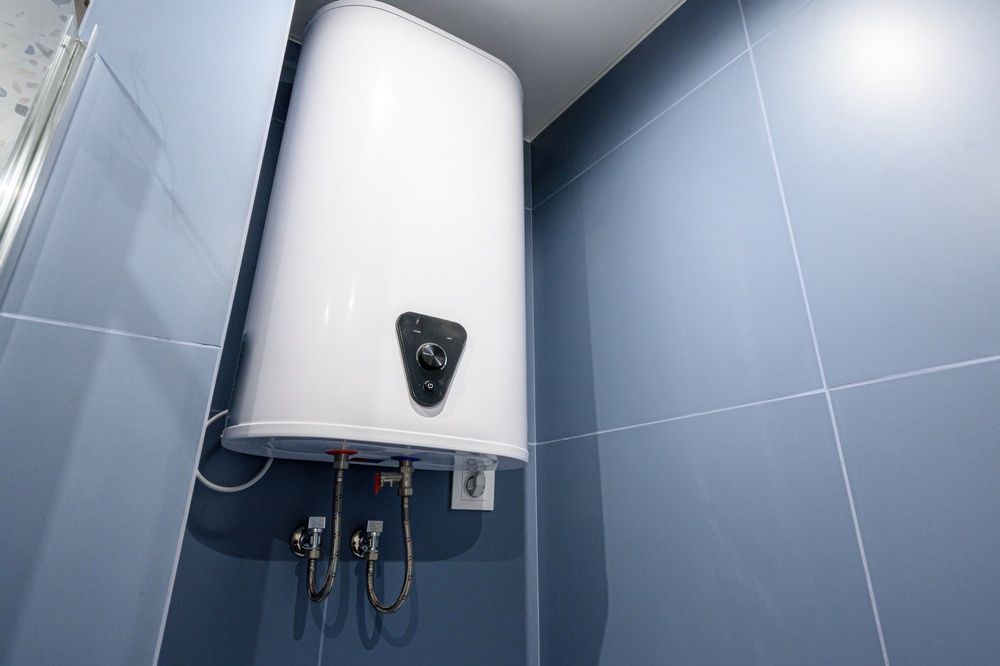
Water heater performance impacts comfort and efficiency in ways you notice every time someone showers, laundry runs, or dishes require hot water. TrueHelp Plumbing & Electric provides water heater repair, replacement, installation, and maintenance for homes and properties across Austin where equipment no longer delivers reliable hot water at expected volumes or temperatures. Problems show up when morning showers run cold before everyone finishes, when the recovery time between uses stretches longer each month, or when puddles form beneath the tank indicating active leaks that won't resolve without equipment replacement.
The service covers traditional tank systems ranging from 30 to 80 gallons and modern tankless water heaters that heat on demand without storage limitations. Common issues addressed include heating element failures that leave water lukewarm, thermostat malfunctions creating scalding temperatures or insufficient heat, sediment accumulation reducing effective capacity, pressure relief valve leaks signaling excessive internal pressure, and corroded tanks that develop pinhole leaks as protective glass lining deteriorates.
Schedule water heater service to diagnose performance problems and review repair or replacement options suited to your household needs.
Why Water Heater Performance Declines Over Time
Tank water heaters accumulate mineral sediment from dissolved calcium and magnesium in Austin's water supply, creating an insulating layer at the tank bottom that forces heating elements to work longer and hotter to transfer energy into the water above. Anode rods designed to corrode sacrificially instead of the tank itself deplete over time, exposing steel surfaces to electrochemical reactions that create rust and eventual tank failure. Tankless units develop scale buildup on heat exchanger surfaces when water hardness exceeds manufacturer recommendations, reducing flow rates and triggering error codes that shut down operation.
After repairs or replacement, you notice hot water that arrives at fixtures within seconds rather than minutes, consistent temperatures throughout showers and dishwasher cycles, and adequate volume to support simultaneous uses without waiting for recovery. Recommendations account for household size, peak usage patterns, available fuel sources, and space constraints that affect whether tank or tankless configurations make practical sense for your situation.
Maintenance services include flushing sediment that reduces heating efficiency, testing pressure relief valves to confirm they open at rated settings, inspecting anode rods before protective capacity exhausts, and checking venting systems that expel combustion gases safely outdoors. Quality equipment installations use expansion tanks to protect against thermal expansion pressure, code-compliant venting sized for BTU input ratings, and proper clearances from combustible materials.
What Property Owners Usually Ask
Water heater concerns often relate to equipment lifespan, repair versus replacement decisions, and sizing considerations that affect whether new installations meet actual hot water demands.
What symptoms indicate a water heater needs replacement rather than repair?
Rusty water from hot taps only, visible corrosion or moisture on the tank exterior, age exceeding ten years for traditional tanks, and repeated component failures within short timeframes all signal that replacement provides better long-term value than continued repairs on deteriorating equipment.
How does tankless technology compare to traditional tank systems?
Tankless units heat water only when flow initiates, eliminating standby energy losses and providing unlimited hot water as long as demand doesn't exceed unit capacity, but they require higher gas line sizing, electrical service upgrades for whole-house electric models, and annual descaling in areas with hard water like Austin.
When should water heater capacity be increased during replacement?
Households that have added bathrooms, installed high-flow shower systems, or acquired appliances with significant hot water demands such as soaking tubs or commercial-style dishwashers benefit from capacity analysis rather than replacing existing equipment with identical-sized units.
What maintenance extends water heater lifespan?
Annual tank flushing removes sediment before it hardens into deposits that insulate heating surfaces, anode rod replacement every three to five years prevents tank corrosion, and temperature settings kept at 120 degrees reduce mineral precipitation and scalding risks without compromising sanitation effectiveness.
Why do some installations require expansion tanks?
Closed plumbing systems with backflow prevention devices or pressure-reducing valves trap thermal expansion that occurs when water heats, creating pressure spikes that stress tank seams, damage supply line connections, and cause relief valves to drip—expansion tanks absorb this volume change without allowing pressure buildup.
TrueHelp Plumbing & Electric evaluates your current water heater condition and usage patterns to recommend solutions that restore reliable hot water performance. Arrange a replacement consultation or service appointment to address equipment concerns affecting your property.