Wiring and Systems That Keep Homes Functional
Residential Electrical Services in Austin for flickering lights, tripped breakers, and outdated wiring systems
TrueHelp Plumbing & Electric provides residential electrical services in Austin, addressing issues ranging from tripped breakers and non-functioning outlets to full-panel upgrades and safety inspections. Homeowners typically call when outlets stop working in specific rooms, when lights dim during appliance use, or when breakers trip repeatedly without an obvious cause. Licensed electricians diagnose these problems by testing circuit loads, inspecting panel conditions, and identifying wiring that no longer meets current household demand or code requirements.
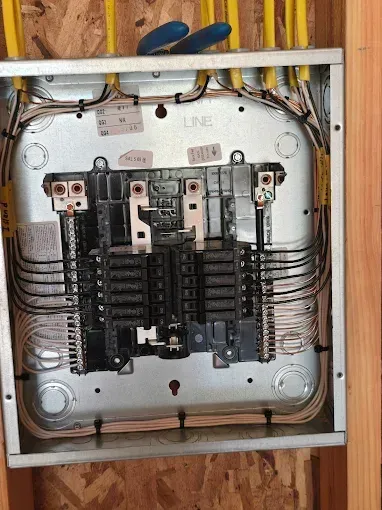
The service includes troubleshooting electrical faults, replacing worn outlets and switches, installing new lighting fixtures, upgrading wiring in older homes, and performing code-compliant panel upgrades when existing systems can't handle modern electrical loads. In Austin, where many homes were built before widespread use of high-draw appliances and home office equipment, older 100-amp panels often require replacement with 200-amp systems to prevent overheating and maintain safe operation.
Schedule a residential electrical evaluation to identify circuit overloads and panel capacity concerns.
What Proper Electrical Work Requires
Every repair and installation follows National Electrical Code standards and Austin-specific permitting requirements, which dictate wire gauge sizing, grounding protocols, and Arc Fault Circuit Interrupter placement in bedrooms and living areas. Electricians test circuits under load, verify proper grounding at the panel, and inspect connections for heat damage or corrosion that can lead to arcing and fire risk.
Once work is completed, you'll notice outlets that hold plugs firmly without looseness, lights that remain steady during high-demand periods, and breakers that stay engaged during normal household use. Panel upgrades provide labeled circuits, room for additional breakers when adding dedicated lines for appliances, and improved capacity that prevents nuisance tripping during peak usage hours.
Same-day service is available for urgent electrical issues, and 24-hour emergency response handles situations involving sparking outlets, burning odors near electrical panels, or complete loss of power to sections of the home. Inspections prior to real estate transactions identify hidden wiring problems, undocumented modifications, and panel conditions that affect property value and buyer financing approval.
What Homeowners Usually Ask
Homeowners often have specific questions about electrical service timelines, safety indicators, and upgrade requirements before scheduling work.
What causes breakers to trip repeatedly even after resetting them?
Repeated tripping typically indicates circuit overload from too many devices on one line, a failing breaker that no longer holds its rating, or a short circuit caused by damaged wiring or a faulty appliance.
How do electricians determine whether a panel upgrade is necessary?
Licensed electricians calculate total amperage demand by adding up connected loads and planned additions, then compare that to the existing panel capacity and inspect the panel for signs of overheating, rust, or outdated components like aluminum busing or Federal Pacific breakers that fail to trip during fault conditions.
When should outlets and switches be replaced rather than repaired?
Replacement becomes necessary when outlets no longer grip plugs securely, when face plates show burn marks or discoloration, when switches produce sparks during operation, or when devices are outdated two-prong types without grounding protection.
What electrical improvements are required for homes built before 1990 in Austin?
Most older Austin homes benefit from GFCI outlet installation in kitchens and bathrooms, AFCI breaker upgrades in bedroom circuits, whole-panel replacement if the existing service is less than 100 amps, and grounding upgrades where original wiring lacks a proper ground path.
How long does a typical residential electrical repair take?
Simple outlet or switch replacements usually take less than an hour, troubleshooting and repairing circuit faults typically requires two to four hours depending on access and wiring complexity, and full panel upgrades generally take a full day including utility coordination and final inspection.
TrueHelp Plumbing & Electric provides detailed estimates before starting any electrical project, with transparent pricing based on material requirements, labor hours, and permit costs. Contact the team to request residential electrical service or discuss panel upgrade options for your property.