Stopping Water Damage Before It Compounds
Drain and Leak Services in Austin for slow drains, sewer backups, slab leaks, and hidden pipe failures creating moisture intrusion
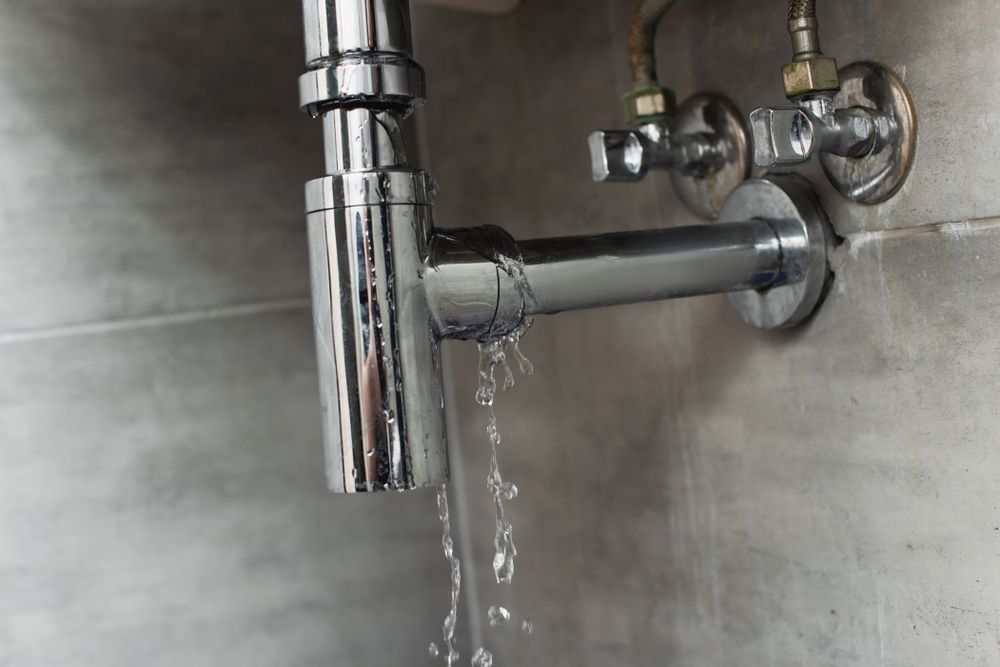
Slow drains indicate developing blockages that will eventually stop flow completely, and hidden leaks allow continuous water loss that damages building materials, promotes mold growth, and increases utility costs until the source gets located and repaired. TrueHelp Plumbing & Electric provides drain cleaning, clog removal, leak detection, and leak repair for properties across Austin where plumbing problems create immediate inconvenience or threaten long-term structural damage. Addressing issues early prevents sewage backups into living spaces, ceiling stains that require drywall replacement and repainting, and foundation moisture that compromises load-bearing capacity.
The service covers drain cleaning that removes grease, hair, soap residue, and mineral scale from pipe interiors, hydro-jetting for stubborn blockages and root intrusion in sewer lines, leak detection using pressure testing and acoustic equipment to locate failures hidden behind walls or under concrete slabs, and permanent repairs at supply line joints, fixture connections, and corroded pipe sections.
Contact the team at the first sign of drainage issues or unexplained water accumulation to prevent minor problems from escalating into emergency situations.
What Drain and Leak Problems Actually Involve
Professional diagnostic methods locate problems accurately rather than guessing at failure points based on visible symptoms alone. Leak detection identifies whether ceiling stains trace to roof penetrations, condensate drain failures, supply line pinhole leaks, or slab foundation cracks allowing groundwater intrusion—each requiring completely different repair approaches. Drain evaluations determine whether slow flow results from localized clogs that respond to cable augering, grease accumulation requiring hot water jetting, systemic slope deficiencies that allow solids to settle, or root intrusion that necessitates pipe section replacement and barrier installation.
After repairs finish, you notice drains that clear instantly without standing water, water bills that drop to normal levels once hidden leaks stop, and dry ceilings and walls where moisture stains previously expanded with each occurrence. Long-term solutions address root causes rather than providing temporary relief—replacing corroded galvanized pipe sections instead of patching leaks that will reappear at adjacent weak points, installing cleanout access where none existed to allow future maintenance without destructive entry, and correcting drain venting that prevents proper flow and creates suction-induced trap seal loss.
Emergency response addresses major leaks flooding living spaces and sewer backups creating health hazards, with 24-hour availability ensuring problems get controlled before water damage expands beyond the immediate failure area. The repairs use materials rated for the specific application—brass or stainless compression fittings for supply repairs subject to continuous pressure, ABS or PVC drain components resistant to chemical exposure, and appropriate sealants that maintain integrity in wet environments.
Answers to Frequent Service Questions
Drain and leak concerns often involve questions about problem identification, repair methods, and prevention strategies that reduce future failure risks.
What causes sewer line backups into homes?
Tree roots penetrate joints seeking moisture and nutrients, creating obstructions that catch toilet paper and solid waste, while older clay or Orangeburg pipes collapse from soil shifting and age-related deterioration, closing the line completely and forcing sewage back through the lowest drain openings inside the building.
How does slab leak detection work without breaking concrete?
Electronic amplification equipment detects sound signatures from pressurized water escaping through pipe cracks, thermal imaging cameras identify temperature variations where hot water leaks beneath slabs, and pressure testing isolates which supply line section contains the failure before any demolition occurs.
When should drain cleaning be performed preventatively?
Homes with mature trees near sewer lines benefit from annual root removal before blockages develop, kitchen drains handling significant grease benefit from quarterly hot water flushing or enzymatic treatments, and properties with older cast iron drain piping should schedule video inspection every two to three years to monitor corrosion progression.
What repairs qualify as long-term solutions versus temporary fixes?
Epoxy pipe lining restores structural integrity to corroded drain sections without full replacement, compression repair clamps stop pinhole leaks permanently when installed on sound pipe, but putty or tape applications only delay inevitable failures and should be considered emergency measures until proper repairs can be scheduled.
Why do some leaks occur without any visible water damage?
Slow leaks into wall cavities evaporate or absorb into insulation before reaching visible surfaces, slab leaks beneath vapor barriers drain into soil rather than surfacing indoors, and supply line weeping at threaded connections releases moisture that evaporates in attic spaces—all continue causing damage and water loss despite remaining hidden until professional detection methods reveal their locations.
TrueHelp Plumbing & Electric uses diagnostic equipment to locate drain and leak problems accurately, then implements repairs that address underlying failures rather than surface symptoms. Schedule drain and leak services to resolve plumbing issues before they create extensive property damage.