
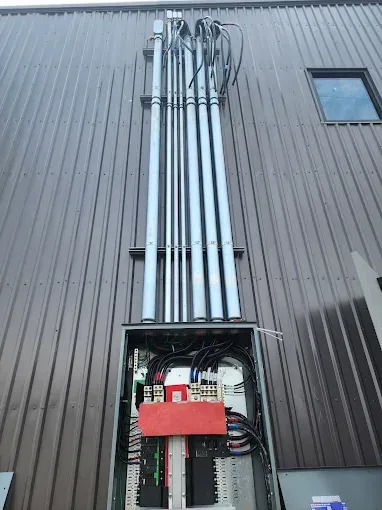
Fixtures and Devices Installed for Lasting Performance
Electrical Installation and Replacement in Austin for modernizing lighting, outlets, and dedicated circuits
Installing new lighting, replacing outdated outlets, adding dedicated circuits for appliances, and upgrading electrical devices improves both functionality and safety in homes and commercial properties. You notice the need for this service when outlets no longer grip plugs securely, when lighting fails to provide adequate illumination for tasks, when you're forced to run extension cords because outlets aren't positioned conveniently, or when new equipment requires dedicated circuits that don't exist in the current system. TrueHelp Plumbing & Electric handles electrical installation and replacement projects throughout Austin, working with property owners who need everything from simple device swaps to complete electrical modernization involving multiple circuits and fixture types.
The service includes installing ceiling fans with proper support bracing, replacing two-prong outlets with grounded three-prong receptacles, adding USB-integrated outlets, running new circuits for garage workshops or home offices, and upgrading lighting from outdated fixtures to energy-efficient LED systems. Each installation follows code requirements for device placement, wire sizing, and circuit protection appropriate to the equipment being served.
Request a project quote for installation work based on your specific fixture selections and circuit requirements.
What Proper Installation for Long-Term Performance Requires
Electricians verify that circuits can handle added loads before connecting new devices, install junction boxes securely to structural members rather than relying on drywall alone, and make connections using methods appropriate to wire type and current ratings. Dedicated circuits for appliances like refrigerators, microwaves, and garage equipment prevent overloads that occur when high-draw devices share circuits with general-use outlets.
Once installation completes, you notice lighting that provides even illumination without dark spots or glare, outlets positioned where you actually use devices without needing extension cords, and switches that operate smoothly without sparking or sticking. Ceiling fans installed with proper electrical boxes and downrod support operate quietly without wobble, while outdoor lighting wired with waterproof connections and GFCI protection functions reliably through Austin's occasional heavy rain and high humidity periods.
Replacement projects often address safety concerns created by deteriorating components, including outlets with loose connections that generate heat, switches with worn contacts that arc during operation, and light fixtures with damaged sockets that create short-circuit risks. Attention to detail during installation includes securing wire connections with proper torque, testing all devices under load before completing the work, and verifying that ground paths are continuous to metal boxes and fixture housings.
What Property Owners Usually Ask
Homeowners and business owners frequently ask about installation options, code requirements, and project logistics before starting electrical device and fixture replacement work.
What electrical work requires dedicated circuits rather than connecting to existing outlets?
Kitchen appliances, garage power tools, window air conditioning units, electric vehicle chargers, home office equipment with sustained high draw, and any device rated above 1,500 watts typically require dedicated circuits to prevent overloading shared lines and tripping breakers during normal use.
How do electricians ensure ceiling fans are installed safely?
Proper installation requires mounting the fan to an electrical box rated for dynamic loads and secured directly to structural framing, using a downrod appropriate to ceiling height, balancing blades to prevent wobble, and wiring the fan with properly sized conductors that handle motor startup current without voltage drop.
When should outlets be replaced even if they still function?
Replacement becomes necessary when outlets show visible cracks or damage, when plug blades insert loosely without gripping firmly, when face plates are discolored from heat, when outlets lack grounding in areas serving sensitive electronics, or when upgrading to GFCI or AFCI protection in locations where code now requires enhanced safety features.
What permits are required for electrical installation projects in Austin?
Minor device replacements typically don't require permits, but adding new circuits, installing dedicated lines, relocating outlets or switches that involve new wire runs, and any work requiring access to the main panel generally requires permitting and inspection to verify code compliance.
How long do typical installation projects take to complete?
Simple outlet or switch replacements usually finish within an hour, ceiling fan installations take two to three hours including box replacement if needed, adding dedicated circuits requires four to six hours depending on wire routing complexity, and complete room lighting upgrades range from a half day to multiple days based on fixture count and wiring modifications required.
TrueHelp Plumbing & Electric provides clear project estimates detailing material costs, labor requirements, and expected completion timelines before beginning installation or replacement work, with customer-focused service that minimizes disruption to daily routines.