Infrastructure Built Right From the Start
New Construction Plumbing in Austin for residential and commercial projects requiring complete system installation from rough-in through final fixtures
New construction demands plumbing systems that meet code requirements, align with architectural plans, and function reliably once the building goes into service. You need this when breaking ground on a custom home, developing a multi-family property, or building out a commercial space where occupancy depends on passing final inspections. TrueHelp Plumbing & Electric handles complete plumbing installations for projects across Austin, coordinating with builders, contractors, and project managers to keep work progressing on schedule while ensuring installations pass inspection without callbacks or corrections.
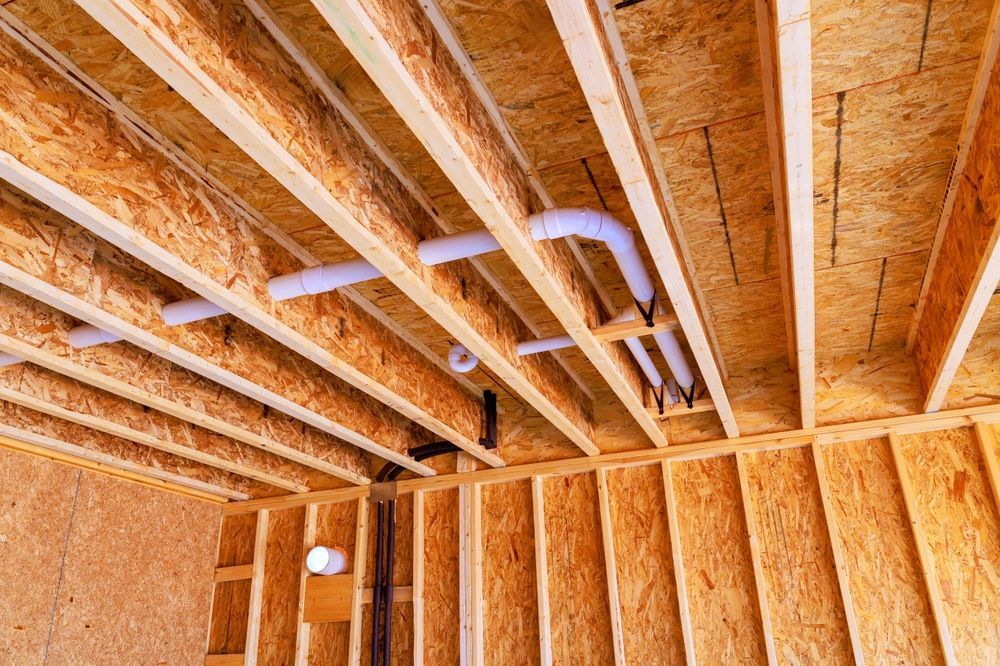
The service covers planning and system design that accounts for fixture counts, occupancy loads, and water pressure requirements, rough-in installations that position supply lines and drain piping before walls close, water line connections from municipal mains or private wells, sewer tie-ins to city infrastructure or septic systems, and final fixture installations once interior finishes are complete. Ownership experience in construction dating back to 2007 informs decisions about pipe routing, valve placement, and access panel locations that affect long-term serviceability.
Contact the team for project consultations and plumbing bids tailored to your construction timeline and building specifications.
What Changes After System Installation Completes
Code-compliant installations require proper pipe sizing calculated from fixture unit loads, correct slope on drain lines to maintain flow velocity without allowing solids to settle, appropriate venting to prevent trap siphonage and allow atmospheric pressure equalization, and secure mounting that prevents movement or sagging as buildings settle. Working with one trusted plumbing partner from start to finish eliminates coordination gaps that create conflicts between rough-in dimensions and finish carpentry, reduces change order costs when design modifications occur mid-project, and ensures warranty coverage extends across all plumbing components rather than fragmenting responsibility among multiple subcontractors.
Once installation finishes and inspections pass, you notice water pressure that remains consistent across all fixtures, drains that clear without gurgling or slow flow, and hot water delivery that reaches distant fixtures within expected timeframes. Builders and developers benefit from final walkthroughs that identify any adjustments before owner occupancy, comprehensive documentation of valve locations and shutoff points, and responsive follow-up if operational questions arise during the warranty period.
Attention to project timelines means plumbing rough-ins don't delay framing inspections, underground installations happen before concrete pours lock in elevations, and finish work completes before scheduled move-in dates. The installations support future maintenance access without requiring destructive entry through finished surfaces to reach critical components.
Answers to Frequent Service Questions
Builders and developers planning new construction projects usually ask about coordination requirements, inspection processes, and system design considerations before selecting a plumbing contractor.
What documentation do inspectors require for new plumbing installations in Austin?
The city requires approved permit applications referencing architectural and plumbing plans, pressure test results demonstrating supply line integrity, drain flow testing proving adequate slope and venting, and backflow preventer certification for irrigation connections and commercial facilities with cross-connection risks.
How does pipe material selection affect long-term performance?
PEX supply lines offer flexibility that resists freeze damage and reduces joint count compared to rigid copper, while ABS or PVC drain piping provides corrosion resistance superior to cast iron in soil conditions with high sulfate content common in parts of the Austin area.
When should water heater sizing be increased beyond standard calculations?
Projects with multiple bathrooms operating simultaneously, commercial kitchens with high-temperature sanitizing requirements, or facilities using recirculation loops to maintain instant hot water at distant fixtures need capacity analysis based on peak demand periods rather than total fixture counts alone.
What coordination prevents conflicts between plumbing and other trades?
Early coordination meetings establish ceiling heights that accommodate drain slope requirements, identify structural beam penetrations needed for vertical waste stacks, and confirm electrical panel locations don't block access to water heater installations or main shutoff valves.
Why does rough-in inspection timing matter for project schedules?
Passing rough-in inspection before insulation and drywall installation prevents costly demolition if corrections are required, and scheduling inspections before concrete slab pours ensures underground plumbing meets grade and location requirements without requiring jackhammer removal to make adjustments.
TrueHelp Plumbing & Electric coordinates with your project team to deliver plumbing systems that pass inspection, meet performance expectations, and support long-term building operation. Arrange a project consultation to discuss your construction plumbing needs and review installation timelines.